Oma
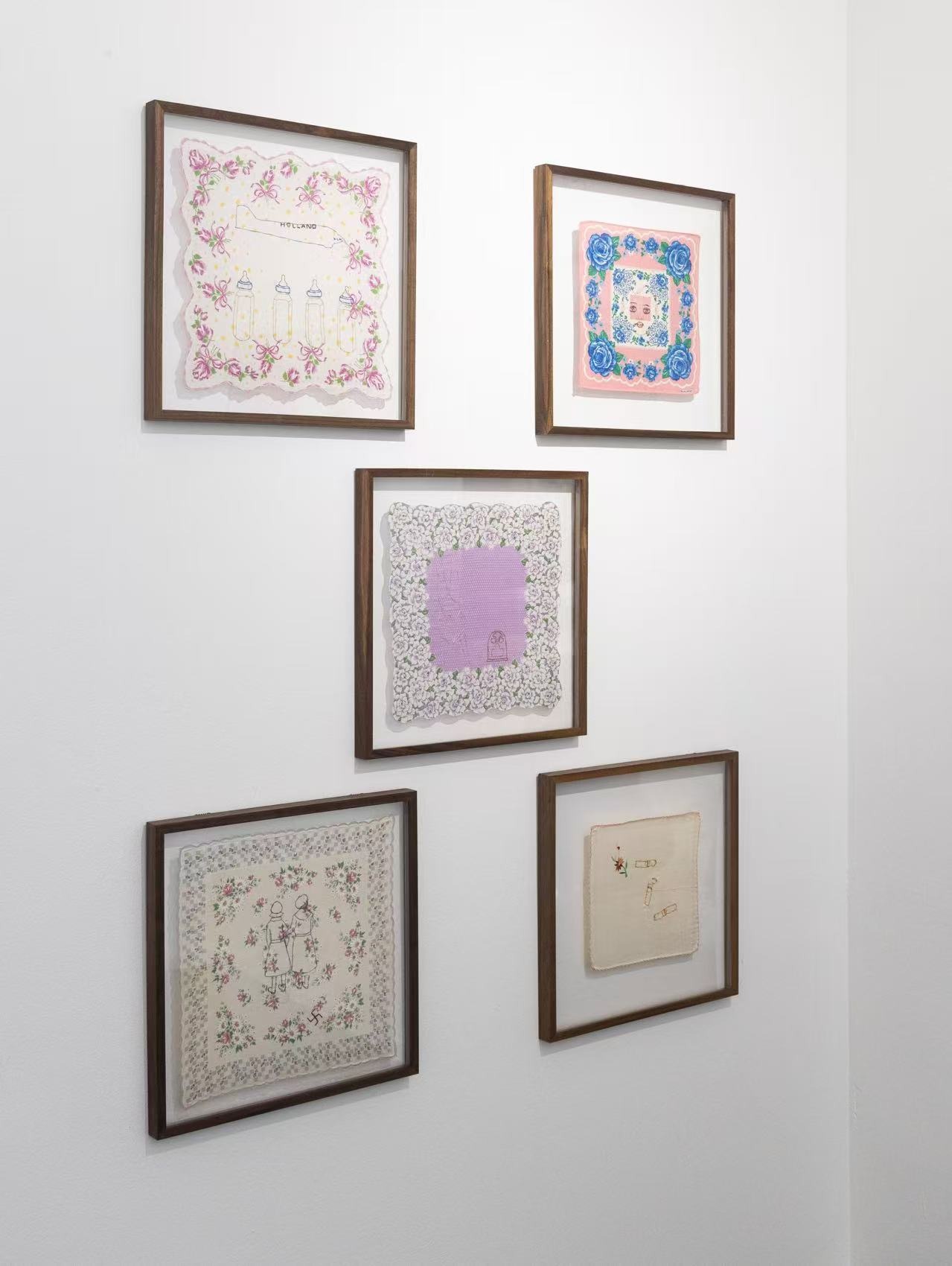
Prayer Flags, 2009 — Hand stitched on handkerchiefs
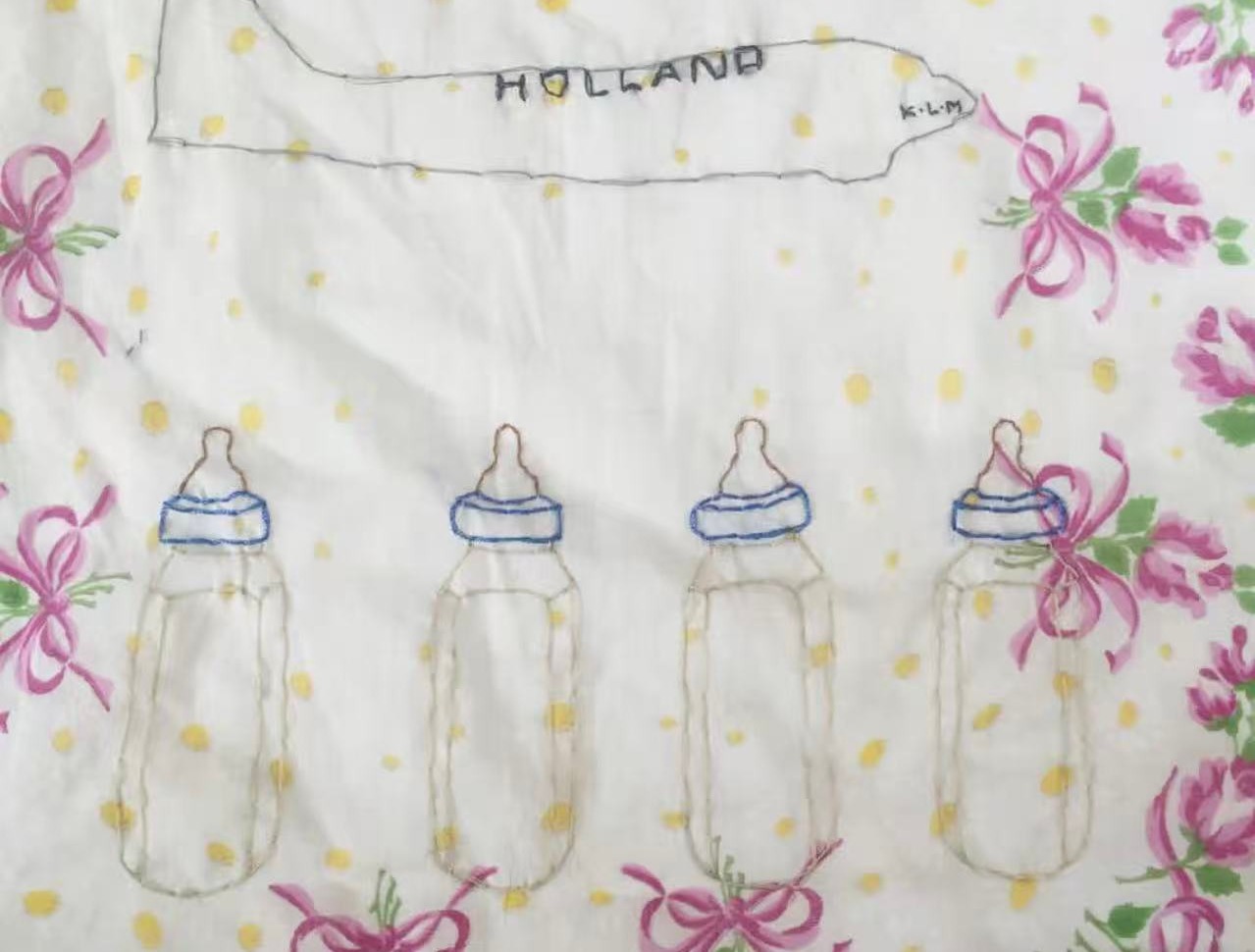
Ada's Travels
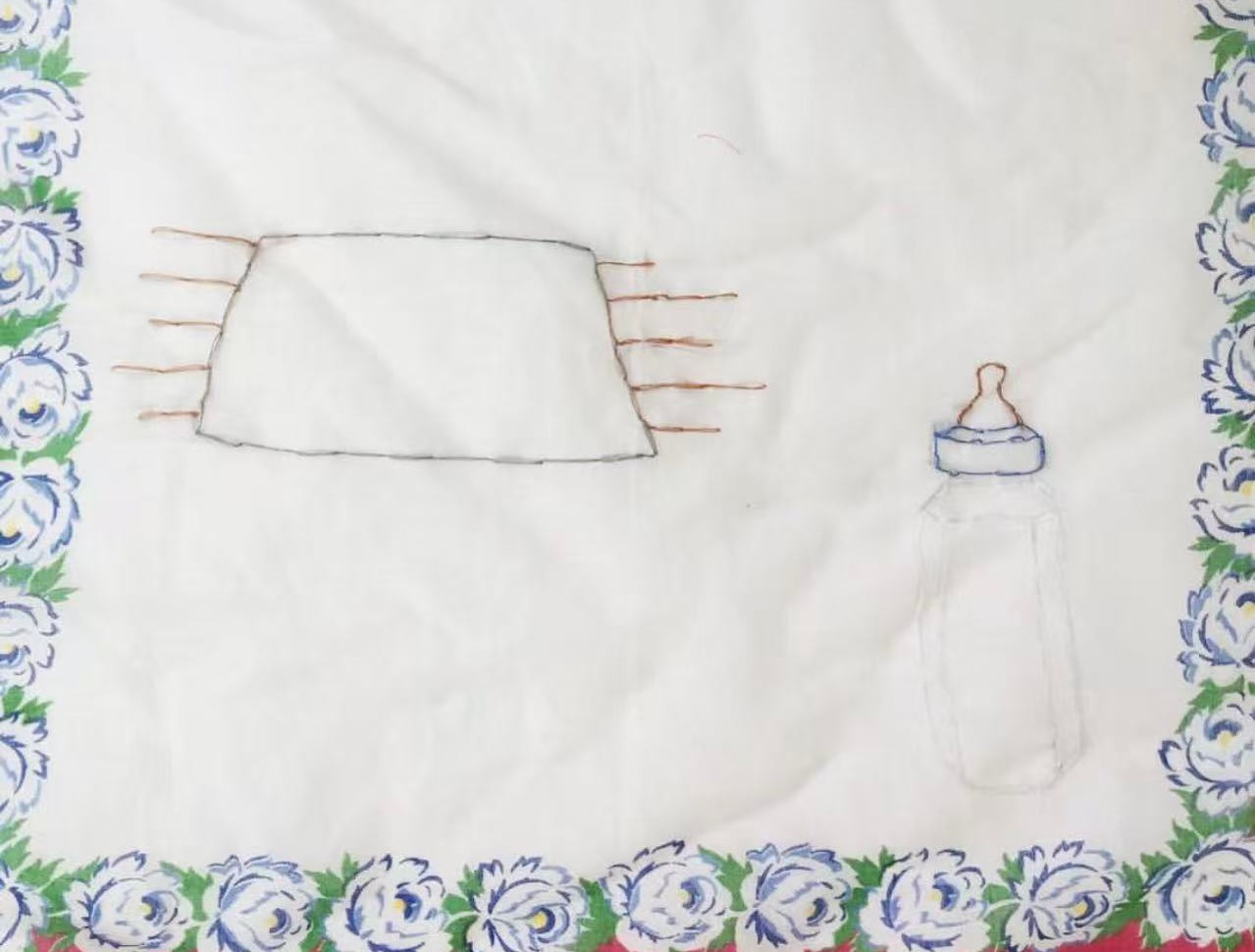
After the war ended my Oma became a flight attendant for KLM. She once was tending a plane packed with stressed mothers and their screaming babies. Everyone agreed to give the babies a shot of gin in their bottles immediately sending them into a drunken dreamland. That was common practice back then.
She was stunningly beautiful in her uniform and even more so in the incredible dresses she collected while traveling. She met my Opa while working. They married and moved to Buffalo, NY where they proceeded to have my mother and her three brothers.
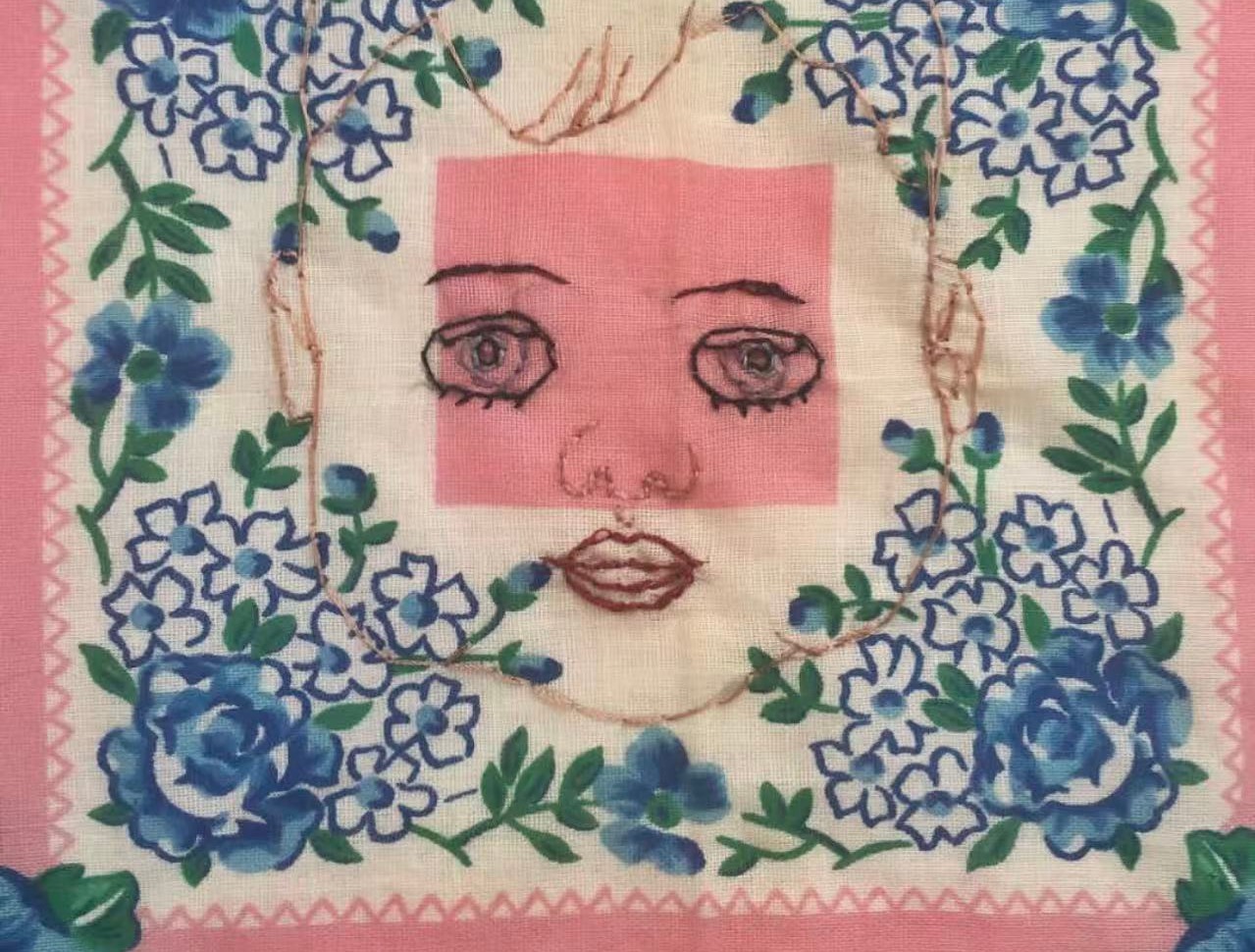
Ada and Dolls
Oma was the eldest of 7. The family lived on a farm in the Netherlands. Her mother gave her a beautiful doll with a perfect porcelain blond head and a soft round face with the bluest eyes. She was carrying this doll the day that her brother "really pissed her off." She took the little doll and whopped him over the head with it, smashing it's perfect little face into a million pieces. Her mother, furious, refused to get her a new doll. Oma found a broken milking stool and dressed it in rags and drew a face on it. She said she absolutely adored this new doll because it was ugly and imperfect. She hadn't been happy with the porcelain thing anyhow.
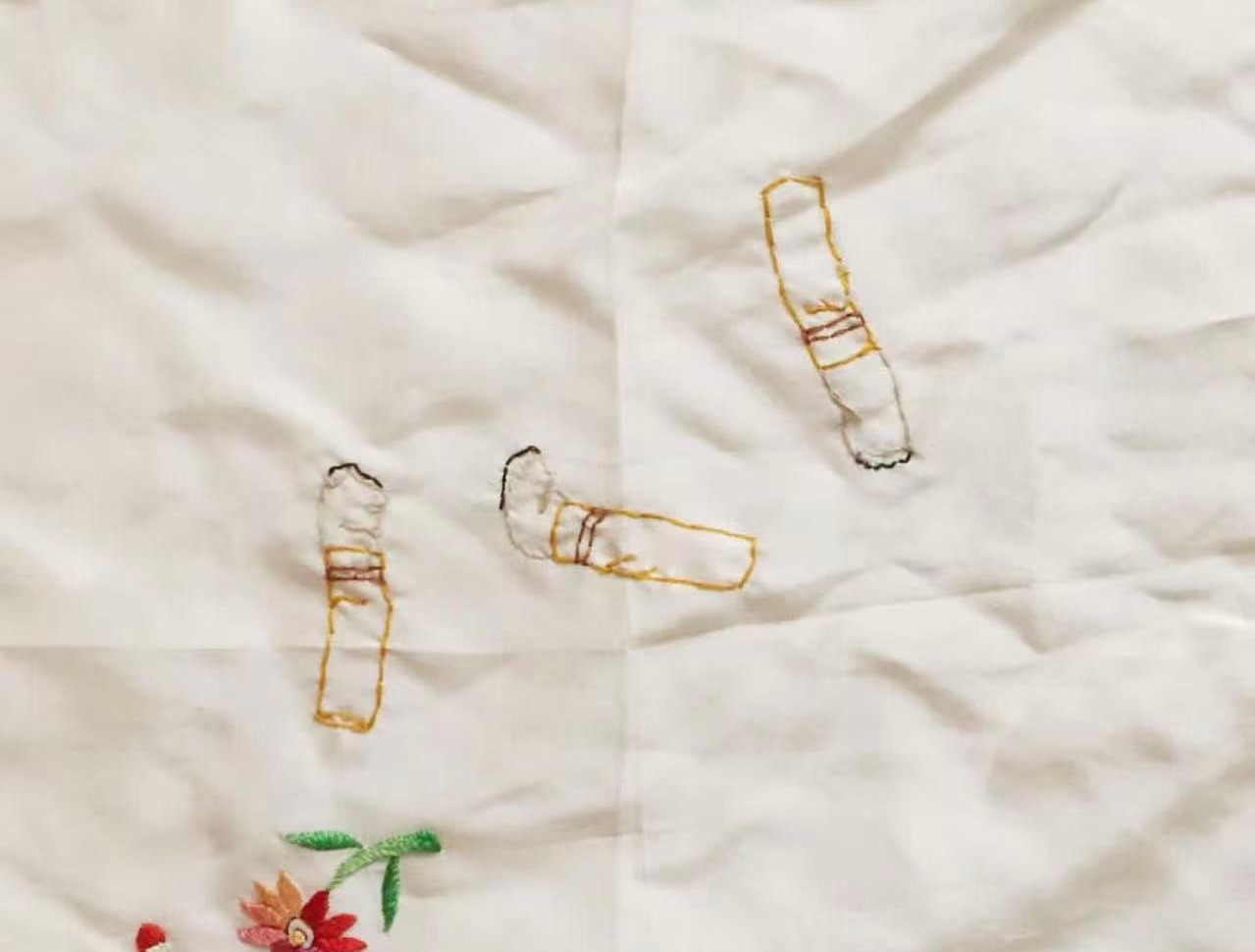
Ada and Her Longest Love
Before Oma passed I stitched several of her stories onto her old handkerchiefs. I wanted to make an Oma flag. This one is just to represent her love of cigarettes and my mother's fear of her catching us all on fire by falling asleep while smoking in bed.
When the war ended the Americans dropped bread and cigarettes on the Dutch. My Oma began smoking on this day and never stopped.
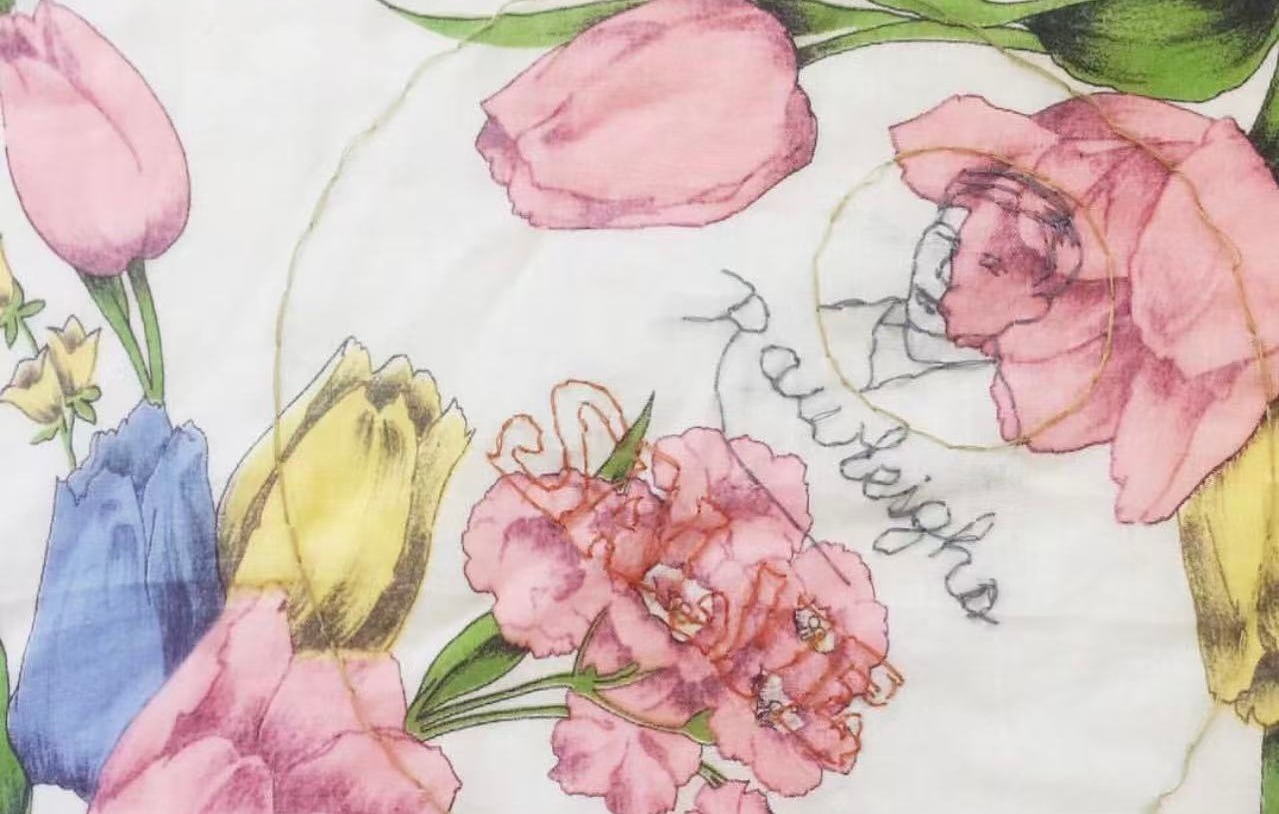
Confusion
Oma's baby brother had a horrible diaper rash and she would observe her mother applying a salve to soothe the pain. My Oma had never been told she would some day begin to bleed every month, so when she got her first period, she figured she could just apply the the salve that she had seen her mother use to stop the bleeding.
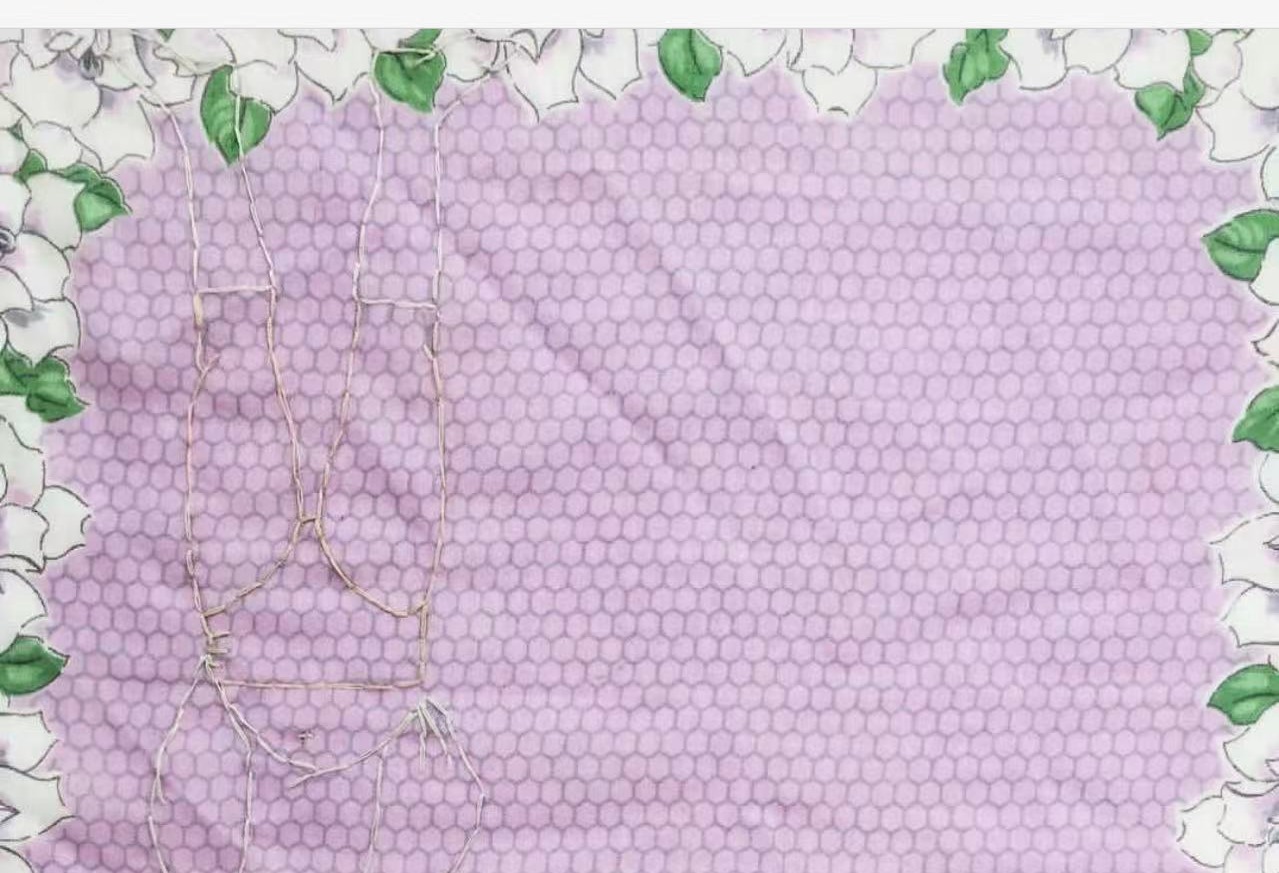
Eldest
As I said, Oma was the eldest of seven. Her mother became very ill and Oma was supposed to take care of her siblings and manage the household. She said she decided to listen to radio shows and do headstands on chairs instead. "My poor mother"
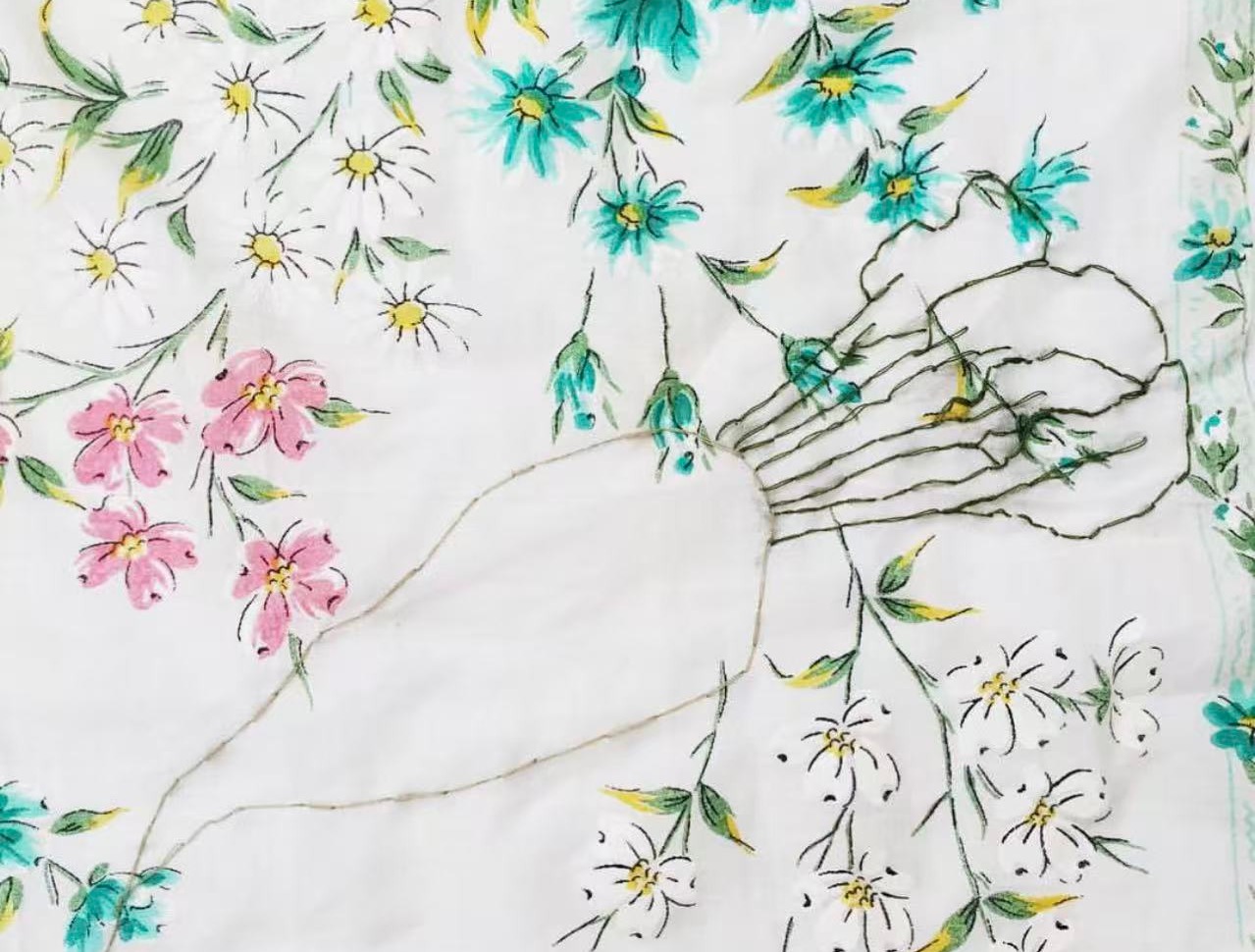
Sugar Beets
At times during the war life was so desperate. Their diet consisted mainly of sugar beets. The children often traveled to farms looking to trade work for food. Oma once rode many miles on the rims of her bicycle, the Germans having confiscated the tires, in search of something to eat. Their cat Rusty became ill and died and the family decided to make a stew. Oma said she didn't touch it.
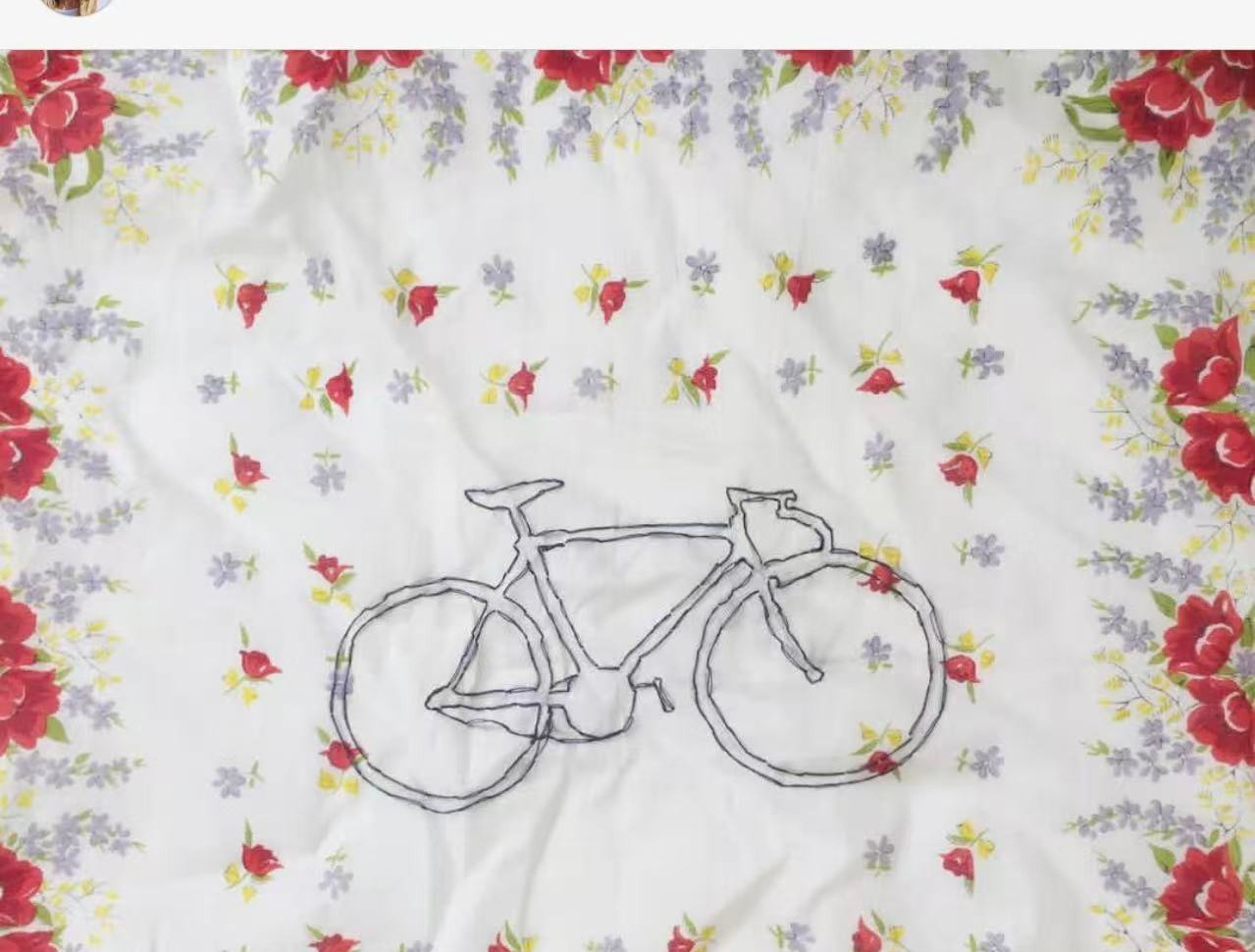
Still Here
Oma was stopped by a German officer while riding her bike. Her bike satchel was filled with illegal documents: transcriptions from Radio Oranje, extra ration cards, false identification cards, etc. She told me that she very nearly peed herself from fear while the officer proceeded to flirt with her for a very long time before letting her go. If he had searched her bag she would have been executed.
Hiding
My Oma had very dear Jewish family friends that were in grave danger. They took them into hiding, but their apartment in Amsterdam was too small and too conspicuous. The friends had a baby and it would have been impossible to hide her. The family found a safe home on a farm with a loving couple willing to foster the Jewish child. This was unimaginably painful for her parents but they were grateful that she would be safe. My family found a job for the mother nearby as a maid. One day a man knocked on my Oma's door, her sister answered, the man said he was the woman's cousin and asked for her whereabouts. Not knowing any better my great aunt told the man where she was working. He of course turned her in and she was taken to Auschwitz. The mother miraculously survived the camp and was reunited with her husband and daughter after the war.
Brave Woman
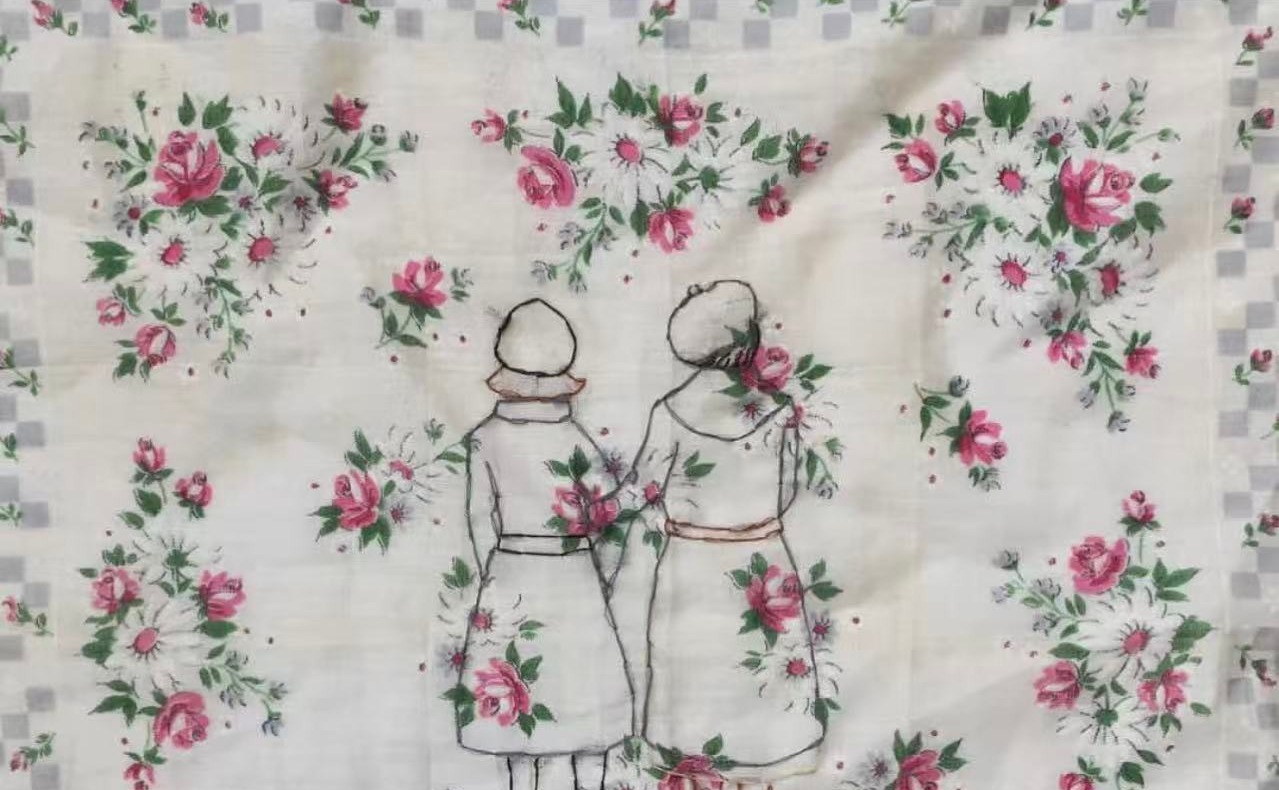
She was 17 when the nazis occupied the Netherlands. Her friends liked to gather at the post office to socialize. When the Germans first marched through with their tanks my Oma and her girlfriends held hands and turned their backs away from them in protest.